What is Bias and Variance Tradeoff
You don't want the model to over- or under-fit. You have to strive to find the right balance between the two. That is the bias-variance tradeoff.
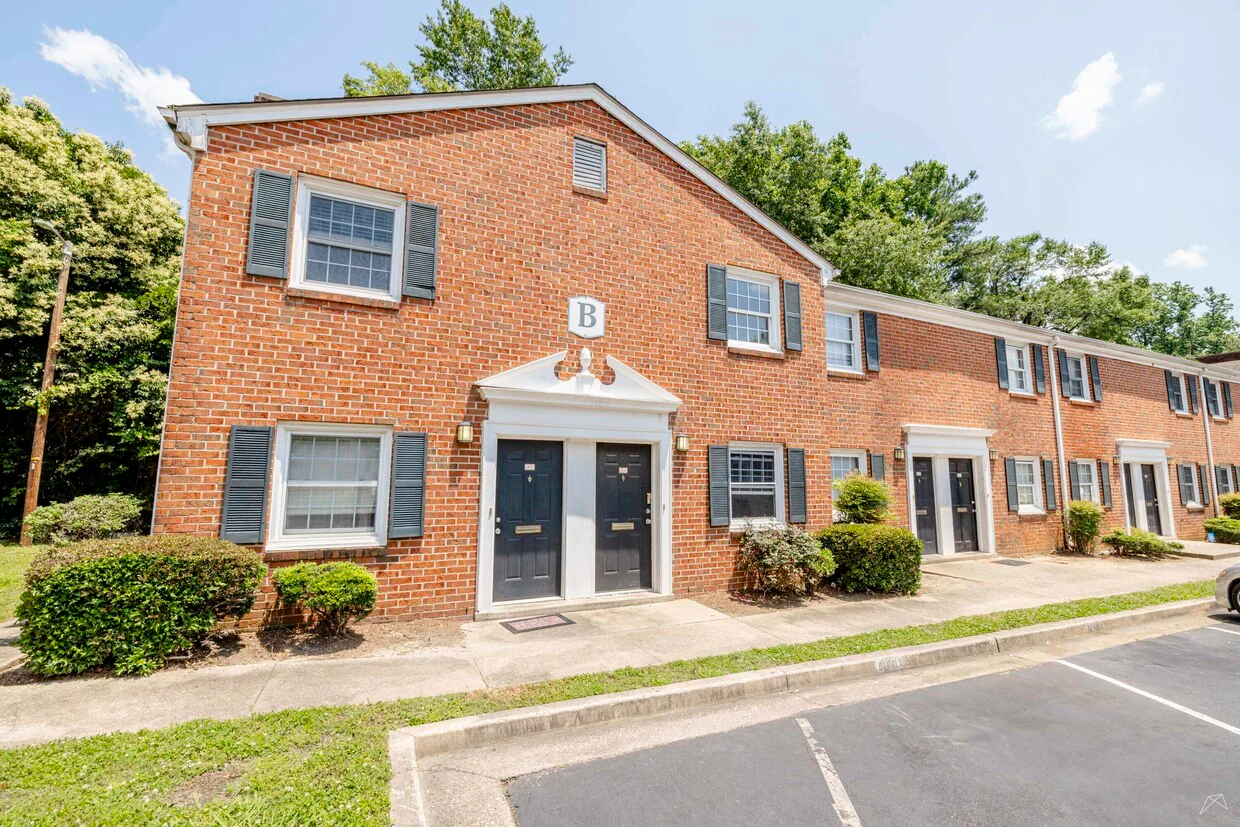
Not long ago, I sat with an apartment owner who had taken over 144 units. There were 15 vacant, 12 on move-out notice, and four evictions for the end of the month. If the notices and evictions were to go through, the occupancy rate would be at 78 percent.
Amazon ships products before you order them. And it's been doing it for over a decade.
I debated whether to share this story. Evictions are one of the most difficult parts of property management—and one of the least understood or perceived as corporate greed. From the outside, it looks simple: the resident doesn't pay, the landlord kicks them out. Landlord wins, residents lose.
As a vendor in the multifamily industry, I was constantly visiting properties, talking to managers, maintenance technicians, and occasionally, owners.
54% occupancy. 20% delinquency. 4 hours of training. My first property management job taught me why data matters—the hard way.
Italian economist Vilfredo Pareto found that 20% of Italy's population received 80% of the country's income. This became known as Pareto's principle, also known as 80/20 rule.
The multifamily industry is heavy on reporting. None of the most common software packages provides the reports that most owners or managers require. That's why I've created Catalyzer. It is a dashboard that not only provides robust real-time reporting but also has machine learning algorithms for enhanced forecasting.
There is never a dull moment when working in the multifamily industry. Many years ago, my first job right out of college was for a property management company who managed about 1,000 doors.