
Property Files #1: Becoming a Manager
54% occupancy. 20% delinquency. 4 hours of training. My first property management job taught me why data matters—the hard way.
My ascent to becoming a property manager wasn’t linear. I took a very unconventional route.
My first day in the job, I inherited 54% occupancy, 20% delinquency, and a maintenance backlog thick enough to use as a doorstop. There was something else, too. What I later came to learn it was called deferred maintenance.
Before signing my very first lease, I was working in the remodeling crew and was familiar with the industry. I understood the basic elements.
The manager of the property I was working at told me she was leaving soon, and the position would be open. I wanted to get out of the field, and this was the perfect opportunity. I had worked with the regional manager and thought I had a real shot at it.
She gave me her study book for the license test. That same night, I began my studies.
The next time I saw the regional manager, I pulled him aside and asked about the position. His reaction was rather positive, and I was pumped.
I will never forget when the regional manager called to tell me I had gotten the job. I was very excited. But that was short-lived. When he told me the property I was managing, my heart dropped.
The First Property
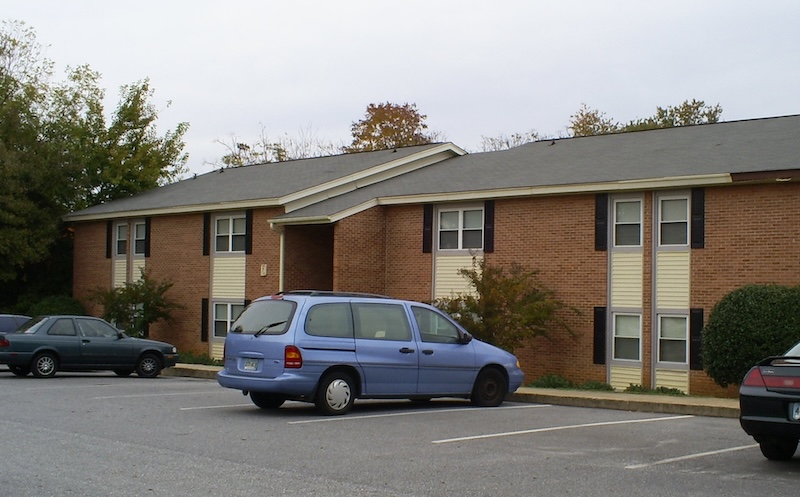
My first office was in a semi-basement at the bottom of Building D. It was shared with a clubhouse...? If we can call it that. It smelled like old carpet and moldy paper. The only natural light I got was from a small window where all I could see were the pedestrians’ legs and part of Building B.
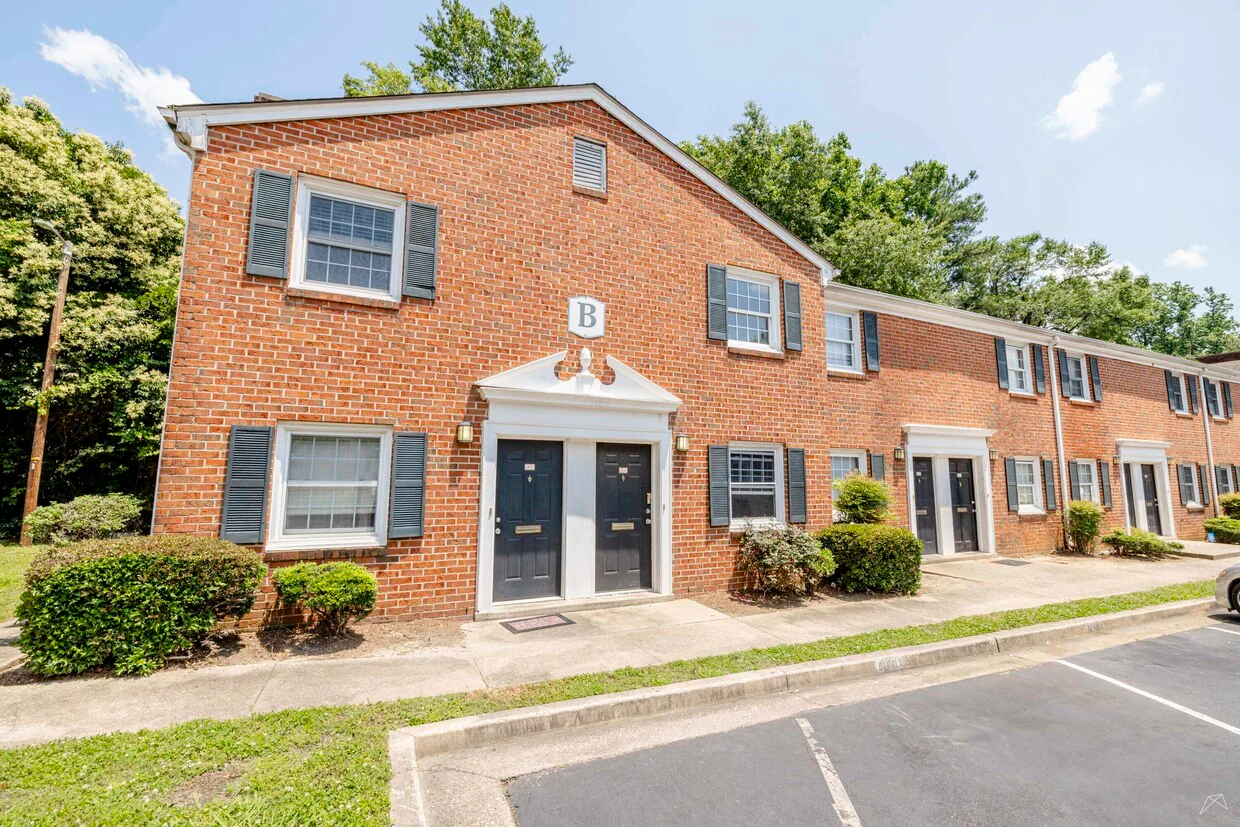
These brick buildings were, once upon a time, one of the most desirable places to live in town. Now, nearly forty years later, it had become an eyesore in the bustling street.
When I applied for the job, I was hoping to be managing the property where I had worked for the previous two years. The one I knew in and out. Instead, the person who managed this property, located two miles down the road, was transferred, and I was assigned the worst property in the portfolio.
The first day was supposed to be training; hell, the entire month was supposed to be training. Instead, I received only 4 hours of training and was left with a phone number to call if I needed anything.
But the predicament I found myself in was far worse than I initially anticipated.
Uncovering the Problems
Sitting in the maintenance to-do box was a stack of papers. I was scared to look at it. The property did not have a full-time maintenance technician. Instead, we had to share with another property. Needless to say, we were not the priority.
But maintenance was one of the many problems.
The occupancy was sitting at 54%. That was not a typo. Delinquency was sitting close to 20%. The income the property was generating was not even enough to cover the mortgage.
It wasn’t even my first week, and I was already overwhelmed. I had a million questions. Most of those answered themselves. But there are two that I’m still puzzled me for a very long time:
First, why would they assign a brand-new, inexperienced property manager to a property that required considerable care and expertise?
The second question still blows my mind: Why would they promote a manager who couldn’t manage? Were they trying to bring the company to its knees?
Years later, with data science training and several years of experience under my belt, I have a better understanding of what happened.
They were operating on instinct rather than data. The previous manager’s performance metrics were invisible to leadership until it was too late.
They had no metrics in place, no budget, and they flew by the seat of their pants. They did have weekly reports, but I don’t think anyone was looking at them till the property was underwater.
Taking Inventory
With 34 units vacant and no documentation of their condition, I had to determine what could be easily leased.
One sunny afternoon, with a pocket full of keys and a notepad in my hands, I locked my office and began to walk around each vacant unit.
By the time I got back to the office, I was disheartened. Even more so than before.
To quickly pass this to higher-ups, I broke the list down into four segments.
A: Easy flip (9 units)
B: Moderate work needed—drywall, some repairs, but within a turn budget (7 units).
C: Heavy work needed—replace carpet, full paint (including ceilings), one or more door replacements, bathtub refinish (10 units).
D: Down units—no appliances, new HVAC required, tons of drywall work, all light fixtures needed, etc (8 units).
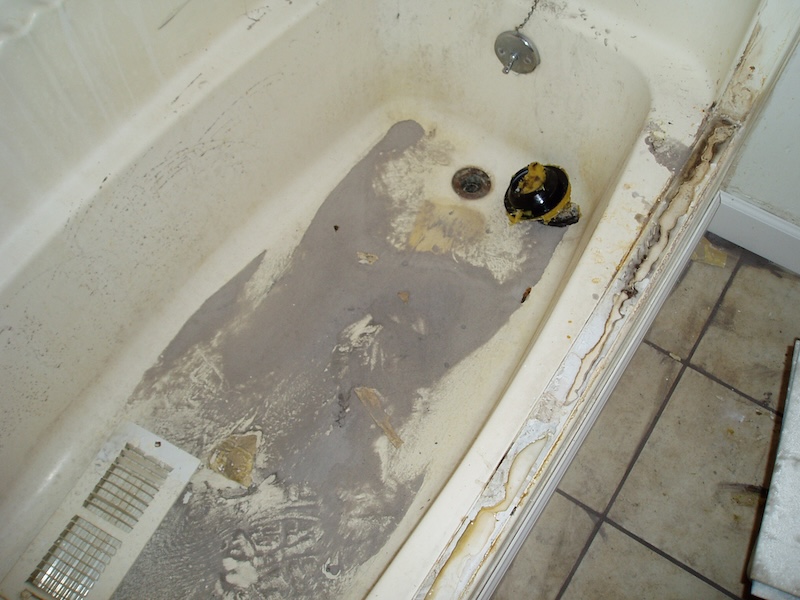
In other words, no units were market-ready. I convinced my boss that I needed at least 4 units to work with.
Pricing
The price for a two-bedroom apartment was almost as much as that of a competitor down the street, which offered numerous amenities and a significantly better setup. All I had was a pool and a broken playground.
Looking through the little paperwork left behind, I examined the comps. I wrote down the address of each property and went for a drive.
After the third property, I was in awe. There was no way we could compete with any of those properties. The previous manager was comparing apples to oranges.
Prospects shopping for places with granite countertops nearby would not even consider our property. Yet, we were trying to match their prices.
Assembling a group of five properties in the vicinity, I identified the right comps and the stark reality that our prices were 27% above market.
In my next meeting with the regional manager, I had a comprehensive plan laid out to overturn this situation.
The first thing I asked for was concessions. A word I learned from my studies. I wanted to lower the rent price by over $100. He was against the idea.
I kept pushing, explaining that, as it stood, having so many vacant units made no sense to keep the current rent price. I showed him the math on how much money we were losing due to that many vacancies.
After some back and forth, he finally agreed.
My First Lease

My first lease should have been the happiest day in my short career. But instead, it was a rough one.
Did I mention that I had four hours of training?
In my “comprehensive training” time, no one covered how to do a move-in. I guess the previous manager only did move-outs.
When the make-ready crew came and turned the unit over to me for my first lease, I was under the impression that it was completely ready. They failed to inform me that no cleaning was done.
My biggest mistake was to assume. I should never have taken their word and thought the unit was move-in ready. Instead, I should have done a walk-through before the resident moved in.
After the resident signed the lease, I gave her the keys and let her go see her apartment. A big smile formed on my face as I stood at the office door watching her walk into her brand new home.
A few minutes later, she was at my office. In my second week as an apartment manager, I experienced my first instance of being yelled at.
I grabbed cleaning supplies from the maintenance closet and spent the next three hours on my hands and knees scrubbing her apartment while she sat in my office waiting. It was 8 pm when she finally moved in.
What One Year Taught Me
By the end of year one, I’d learned more about property management than any textbook could teach. But I’d also learned something more important: most property management problems are actually information problems in disguise.
The occupancy crisis? That didn’t happen overnight. It was a slow bleed that nobody caught because nobody was tracking the right metrics. By the time leadership noticed, we were already at 54%. Not to mention the promotion of the person who caused all that.
The pricing disaster? Perhaps the previous manager also had 4-hour training. She was using the comp information available to her, which happened to be completely wrong for the market.
The maintenance backlog? Without a system to prioritize and track, everything became urgent, and nothing got done efficiently.
The corporate office didn’t have my back? When residents called to complain about something, I would get heat from my boss. It came to a point that some of the longer-term residents didn’t even talk to me anymore; they would go straight to corporate.
Corporate was more concerned about managing calls from residents rather than problems they should have been tracking (occupancy trends, delinquency patterns, maintenance response times).
I managed to turn that property around—we hit 87% occupancy by month 18, brought delinquency under 8%. At that point, I was told to stop leasing because they were not willing to fix the down units.
24/7/365. I was never told I had to be available every single day of the year. The highlights were the 2 am call for a leaky toilet. The Christmas Eve call about a dripping faucet. And of course, the more than occasional locked-out calls where I had to come open the door for the resident at all hours of the night.
What is Your Story?
Every property manager has their own “semi-basement office” story. What is yours?
No comments yet. Be the first.